







For many women, exercise consistency feels like a constant negotiation. There are weeks when energy feels high, motivation comes easily, and performance feels almost effortless. Then there are days — often without any obvious explanation — when the same workout feels twice as hard, motivation evaporates, and completing a session feels like a genuine achievement in itself. If this pattern sounds familiar, your menstrual cycle may well be the variable that nobody thought to factor in.
Understanding how the hormonal shifts across your cycle influence energy, strength, and recovery is not about making excuses. It is about training intelligently — using what your body is naturally offering at different points in the month rather than working against it.
The Four Phases and What They Mean for Your Energy
The menstrual cycle is typically divided into four phases, each characterised by distinct hormonal activity that has real implications for how you feel and perform physically.
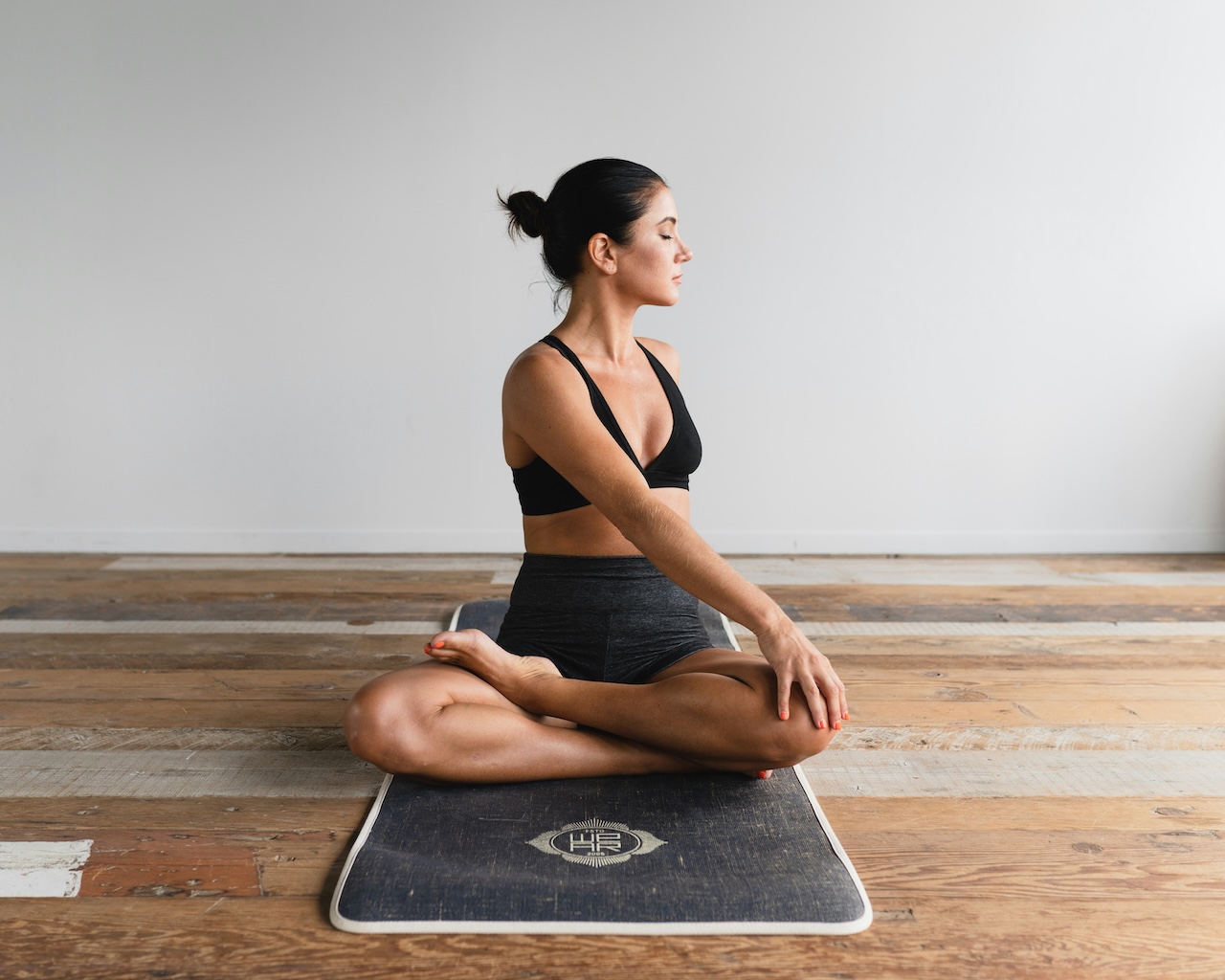
The menstrual phase (days 1–5 approximately) marks the beginning of the cycle, when both oestrogen and progesterone are at their lowest. Many women experience fatigue, cramping, and reduced motivation during this phase. This does not mean exercise should stop entirely — light movement such as walking, gentle yoga, or stretching is often beneficial — but this is generally not the time to push for personal bests.
The follicular phase (days 1–13 approximately) overlaps with menstruation and then extends beyond it. As oestrogen begins to rise, energy and mood often improve noticeably. The body becomes more responsive to strength and endurance training during this phase, and many women find they feel at their most capable and motivated here.
The ovulatory phase (around days 14–16) is typically when oestrogen peaks. Energy and strength often feel highest, and this can be a productive time for more demanding sessions. However, some research suggests that rising oestrogen at this stage may slightly affect ligament laxity, so warming up thoroughly before intense sessions is worthwhile.
The luteal phase (days 17–28 approximately) sees progesterone rise after ovulation. In the first half of this phase, some women continue to feel reasonably energised. However, as both hormones begin to fall in the lead-up to menstruation, fatigue, mood changes, and a desire for more restorative activity often return. This is not a failure of willpower — it is a physiological response.
Matching Your Training Intensity to Your Cycle
Working with your cycle rather than against it does not require a complete overhaul of your fitness routine. It means making small, informed adjustments to intensity and type of training across the month, guided by how you actually feel.
During the follicular and ovulatory phases, when oestrogen is higher and energy tends to be elevated, this is a natural time for higher-intensity work: strength sessions, interval training, longer runs, or challenging group exercise classes. The body is well-positioned to perform and recover during this window.
During the late luteal phase and the early days of menstruation, scaling back intensity and prioritising movement that feels genuinely restorative is a sound approach. Yoga, Pilates, walking, or shorter, lighter strength sessions can maintain fitness and provide the mood benefits of exercise without placing additional demands on a body that is already working hard.
Listening to your body is not a passive act — it requires attention and a degree of self-knowledge that develops over time. Tracking your cycle alongside your energy and training notes for even two or three months can reveal patterns that make planning considerably easier.
Rest, Recovery and Active Days — Getting the Balance Right
One of the most persistent misconceptions about exercise and the menstrual cycle is that discomfort during the period phase means exercise should be avoided altogether. For most women, light to moderate movement during menstruation is both safe and beneficial — it can help reduce cramping, improve mood, and maintain the routine that supports long-term consistency.
The distinction worth making is between rest and recovery. A rest day from structured exercise is not the same as a day with no movement. Active recovery — a twenty-minute walk, a gentle stretch session, or some mindful movement — keeps the body engaged without imposing additional training stress.
Recovery quality in general, whether during menstruation or at any other phase, depends on sleep, hydration, and nutrition. In the days before and during a period, many women find that iron-rich foods and adequate carbohydrates help sustain energy levels. Similarly, staying well hydrated and prioritising seven to nine hours of sleep supports both physical recovery and mood regulation.
It is important to note that experiences of the menstrual cycle vary considerably between individuals. If period-related symptoms are severe or significantly disrupt daily life and exercise, it is worth speaking with a GP. The NHS page on periods provides a helpful starting point for understanding what is typical and when to seek advice.
Practical Weekly Planning for Cycle-Aware Training
Building a cycle-aware training plan is straightforward in practice. Begin by identifying which phase you are likely to be in across the coming month and annotating a simple weekly calendar accordingly. Then assign training types to match.
A rough framework might look like this: week one (menstrual) — lighter activity, walking, gentle yoga; week two (follicular) — build intensity, introduce strength or interval work; week three (ovulatory) — maintain or extend challenge, prioritise technique; week four (luteal) — begin to moderate intensity, favour lower-impact options as the week progresses.
This is a guide, not a prescription. Some women feel energised throughout their cycle; others notice significant variation. The value of this approach lies in giving yourself permission to adjust without guilt, understanding that variation in performance across the month is normal and expected.
Tracking apps can help, though a simple notebook is equally effective. Note your phase, energy level, and how your session felt. Over time, this data becomes genuinely useful for planning ahead.
Research into the relationship between the menstrual cycle and athletic performance continues to develop. The British Journal of Sports Medicine has published relevant work in this area for those who want to explore the evidence base further. The goal, ultimately, is not a perfect training record every month — it is a sustainable, enjoyable practice that supports your health across every phase of life. Treating the cycle as information rather than inconvenience is a meaningful shift in perspective — one that tends to make exercise feel less like a battle against your body and more like a collaborative, ongoing project with it. When that relationship improves, so does consistency, and consistency is what produces lasting results. Many women who adopt this approach also find that it reduces the frustration and self-criticism that can accompany difficult training days. Rather than labelling a lower-energy session as a failure, they recognise it as appropriate behaviour given where they are in their cycle. That reframe alone can significantly improve the relationship with exercise over the long term, reducing the all-or-nothing thinking that drives so many people away from physical activity altogether.




.svg)