




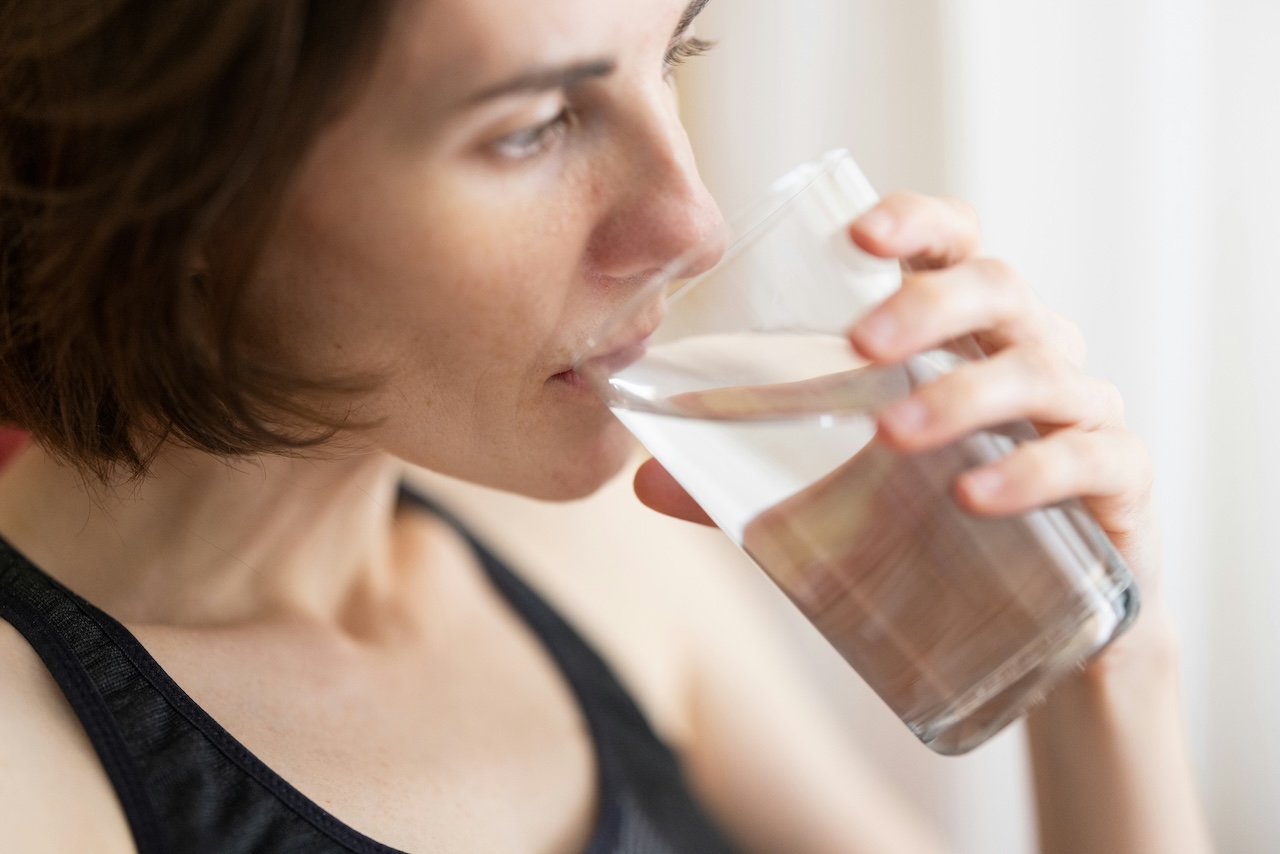



Water accounts for approximately sixty per cent of the human body by weight. It is the medium in which virtually every physiological process occurs: nutrient transport, temperature regulation, joint lubrication, digestion, cognitive function, and cellular respiration all depend on adequate hydration. Yet despite this fundamental importance, mild chronic dehydration is remarkably common among UK adults — and the consequences are often attributed to other causes rather than recognised for what they are.
Fatigue in the afternoon. Difficulty concentrating during meetings. Headaches that arrive by mid-morning. A sense of mental fog that coffee seems to address but not fully resolve. For many people, these familiar experiences are at least partly a hydration problem. The straightforward nature of the solution makes understanding it thoroughly worthwhile.
How Dehydration Affects the Body — Even Mildly
The human body begins to experience measurable functional effects from dehydration at surprisingly small deficits — a fluid loss of as little as one to two per cent of body weight is sufficient to impair cognitive performance, reduce physical endurance, and trigger the sensation of thirst. By the time thirst is clearly felt, mild dehydration is already underway.
The brain is particularly sensitive to changes in hydration status. Even mild dehydration is associated with reduced short-term memory, impaired concentration, decreased reaction time, and heightened perception of task difficulty. Studies involving cognitive testing in mildly dehydrated participants consistently show performance decrements that are reversed by rehydration — a direct demonstration of the dose-response relationship between hydration and brain function.
Physically, dehydration affects endurance, strength, and coordination. At two per cent body weight fluid loss, aerobic performance begins to deteriorate. At higher levels of dehydration — five per cent or more — strength and muscular endurance are meaningfully compromised, and heat regulation becomes impaired, which is a significant safety concern during exercise in warm conditions.
Beyond performance, chronically low fluid intake affects kidney function, increasing the risk of kidney stones and urinary tract infections. Bowel function is also influenced: insufficient fluid intake is a common contributing factor to constipation, as the large intestine draws water from its contents when the body's overall hydration is low.
How Much Water Do You Actually Need Each Day?
The commonly quoted figure of eight glasses — approximately two litres — of water per day is a reasonable approximation for most adults in temperate conditions, but the actual requirement varies considerably between individuals and circumstances.
The NHS recommends approximately six to eight glasses of fluid per day for most adults in normal UK conditions. This includes all fluids, not just water — tea, coffee, and milk all contribute to daily intake, though water, low-fat milk, and low-sugar drinks are preferred. Contrary to the widespread belief that caffeine is significantly dehydrating, moderate tea and coffee consumption contributes positively to overall fluid intake for most people.
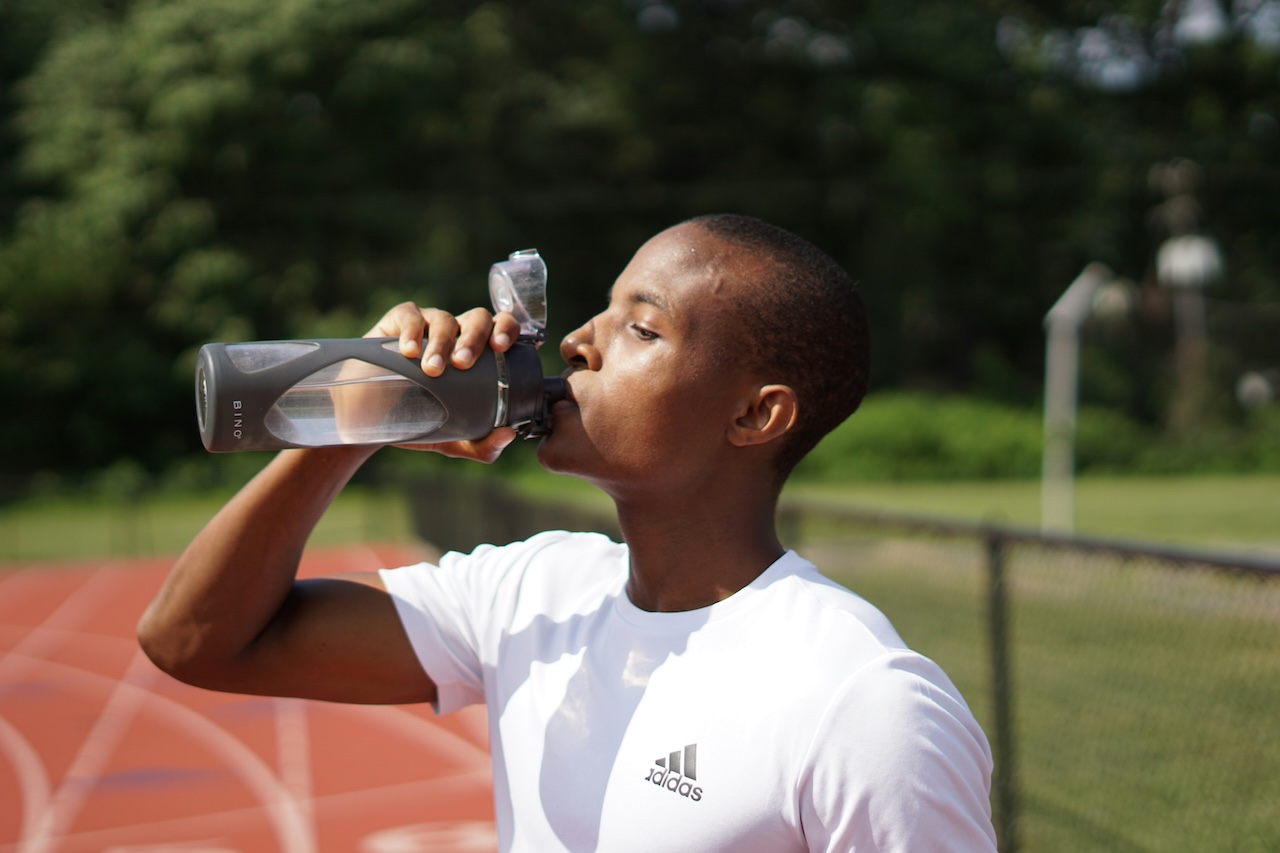
Fluid requirements increase substantially with physical activity — any meaningful exercise session warrants additional fluid intake before, during, and after — and in warm weather, as sweat losses increase. Illness involving fever or vomiting significantly elevates needs further. Pregnant and breastfeeding women also require higher fluid intake than the general recommendation.
Rather than fixating on a precise daily volume, a practical and widely recommended method of assessing hydration status is urine colour. Pale straw yellow indicates good hydration; dark yellow or amber suggests dehydration and a need to drink more. First morning urine is typically darker, but urine throughout the rest of the day should remain pale.
The British Nutrition Foundation's guidance on hydration provides comprehensive detail on requirements across different life stages and circumstances.
Practical Ways to Increase Your Daily Fluid Intake
For many people, the challenge of adequate hydration is less about motivation than about the absence of a habit or system to support it. Several simple strategies make a consistent difference.
Starting the day with water is one of the most effective interventions. A glass of water within a few minutes of waking addresses the mild overnight deficit that occurs during sleep — the body loses fluid through respiration and perspiration even while at rest — and creates a positive early habit. Many people find that this single change noticeably improves morning energy levels.
A reusable water bottle kept visible on a desk or worktop functions as a constant visual cue. Research on behaviour change consistently shows that environmental visibility is a powerful driver of habit. A bottle you can see prompts drinking in a way that a glass in a kitchen cupboard does not.
Attaching drinking to existing habits — a glass of water before each meal, a cup of herbal tea with a mid-morning break, water before and after any exercise session — integrates fluid intake into the day's existing structure without requiring continuous attention.
Eating water-rich foods contributes meaningfully to overall hydration. Cucumber, tomatoes, lettuce, celery, melon, strawberries, and soups all have high water content and supplement fluid intake from drinks. For individuals who find drinking plain water unappealing, adding sliced fruit, cucumber, or a few mint leaves to a jug of water can significantly increase consumption.
The Role of Electrolytes and What to Know About Sports Drinks
Electrolytes — minerals including sodium, potassium, magnesium, and chloride — are dissolved in the body's fluids and play essential roles in nerve function, muscle contraction, and fluid balance. During intensive or prolonged exercise, significant electrolyte losses occur alongside fluid losses through sweat, which is why replacing electrolytes alongside fluids is relevant in specific contexts.
For most moderate exercise lasting under an hour, plain water is entirely sufficient for rehydration. Electrolyte replacement becomes more relevant for exercise sessions lasting beyond sixty to ninety minutes, particularly in warm conditions, or for individuals who notice heavy sweating or experience muscle cramping during training.
Commercial sports drinks vary considerably in their formulation and sugar content. Many popular products contain significant amounts of sugar and are not necessary for the type of moderate, regular exercise that most adults engage in. The marketing of sports drinks often significantly overstates their necessity for everyday physical activity.
Natural electrolyte sources — bananas for potassium, dairy or fortified alternatives for calcium, nuts and seeds for magnesium — are the most practical and nutritionally beneficial way to support electrolyte balance for most people. Specialist electrolyte supplements and tablets are available for those engaged in endurance sport or intensive training, and may be worth exploring if performance and recovery are priorities, though they are not necessary for general health and wellbeing. As always, if you have any specific health considerations or conditions that may affect hydration management, speaking with your GP is the appropriate starting point. Hydration is one of the simplest health improvements available to most people, and yet it is among the most consistently neglected. Building the habit of drinking more water does not require willpower so much as structure — the right cues, the right vessels, and a brief period of intentional attention until the behaviour becomes automatic. The payoff in energy, concentration, and general physical comfort is reliably worth the modest effort involved.







.svg)