








The first signs of autumn often arrive quietly. The alarm goes off while the room is still dark, evenings draw in noticeably earlier and getting out of bed can suddenly feel more difficult than it did a few weeks before.
This is not simply a question of motivation. Light is one of the main signals that helps regulate the body's circadian rhythm — the roughly 24-hour internal clock involved in determining when we feel awake and when we become sleepy.
As daylight patterns change, your daily routine may need to change with them. The good news is that improving autumn sleep does not require an elaborate evening ritual or a complete overhaul of your lifestyle.
Keep Your Sleep and Wake Times Consistent
One of the simplest places to start is with your schedule.
The NHS recommends keeping regular sleeping hours, as going to bed and getting up at similar times each day can help your body recognise when it is time to sleep.
If summer holidays, late evenings or lighter mornings have gradually pushed your routine later, avoid expecting your body to readjust overnight. Move back towards your preferred bedtime over several days and, most importantly, try to keep your morning wake-up time reasonably stable.
A long lie-in can be tempting after a poor night's sleep, but regularly shifting between very different weekday and weekend routines may make it harder to establish a predictable pattern.
For more help adapting the start of your day, our guide to rebuilding a morning routine as the days get shorter looks at practical ways to make darker autumn mornings easier to manage.

Make Morning Daylight a Priority
Light has a particularly important role in regulating circadian timing.
The British Sleep Society highlights the importance of natural morning daylight in keeping the body clock aligned with the day. Evening light, by contrast, can push our internal timing later.
During autumn, try to get some natural daylight after waking whenever possible. Open curtains and blinds straight away and consider getting outside in the morning, even if it is only for a short walk or part of your commute.
This becomes more important as mornings grow darker and many of us spend much of the working day indoors.
In the evening, begin doing the opposite. Lowering bright lighting and stepping away from phones, tablets and laptops before bed can create a clearer distinction between daytime activity and your wind-down period. NHS guidance suggests avoiding screens for around an hour before bed where possible.

Create a Bedroom That Works for Cooler Nights
Autumn temperatures can make sleeping more comfortable after warm summer nights, but the goal is not to make the bedroom cold.
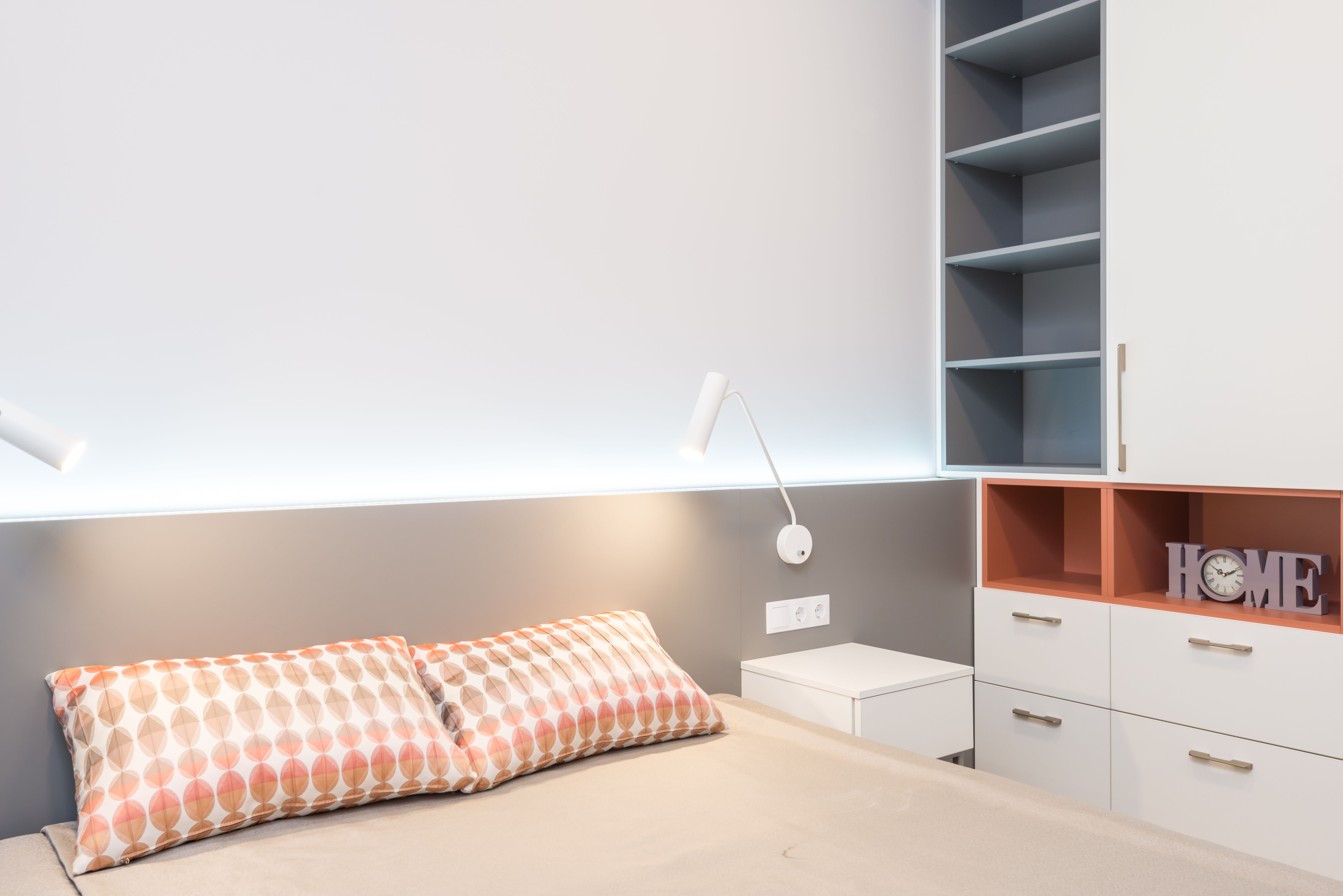
The Sleep Charity suggests that a bedroom temperature of around 16°C to 18°C suits many adults, alongside a room that is quiet and dark.
Rather than immediately reaching for the heaviest winter duvet, layering bedding can make it easier to respond to changing temperatures from one night to the next.
Blackout curtains or blinds may also help if outdoor lighting is disturbing you, while keeping televisions and other unnecessary screens away from the bed can reduce distractions.
If you are making wider seasonal changes at home, Your Perfect Home UK's guide to layering interiors with lighting and textiles also offers ideas for creating a more comfortable space without completely redecorating.
Build a Wind-Down Routine You Will Actually Follow
A bedtime routine does not need to involve an hour of meditation, expensive sleep products or an unrealistic list of habits.
The aim is simply to create a predictable period between the activity of the day and going to sleep.
Reading, having a bath, listening to something relaxing, gentle stretching or writing down thoughts from the day can all work. Choose activities that genuinely make you feel calmer rather than adding another task to your evening.
If mindfulness appeals to you but you are unsure where to begin, our mindfulness for beginners guide provides a straightforward introduction without requiring specialist equipment or lengthy sessions.
Pay Attention to Evening Food, Caffeine and Alcohol
What you eat and drink later in the day can also affect sleep.
Large meals shortly before bed may make it harder to settle, while caffeine can remain stimulating for several hours. The NHS advises people experiencing sleep problems to avoid tea, coffee and other caffeinated drinks later in the day.
Alcohol can be misleading because it may initially make you feel sleepy. However, it can contribute to poorer-quality sleep later in the night, so relying on it as a way to fall asleep is unlikely to help your routine in the long term.
Prepare for the October Clock Change
There is one further adjustment coming later in the season.
In the UK, the clocks go back by one hour on Sunday 25 October 2026, marking the end of British Summer Time.
Keeping your bedtime, morning light exposure and evening routine relatively consistent before the change can make the shift feel less disruptive.
For most people, autumn sleep changes settle as their routine adjusts. However, if you regularly struggle to fall asleep, wake repeatedly during the night or feel persistently tired during the day, do not simply assume the season is responsible. The NHS insomnia guidance explains when sleep difficulties may need further attention and when to speak to a GP.
Autumn does not require a completely new sleep routine. A consistent schedule, greater awareness of light and a calmer evening environment are often the most useful places to begin — small changes that can make darker mornings considerably easier to manage.







.svg)