





Hot weather does not always mean exercise must stop, but timing, hydration and early recognition of heat-related illness become more important as temperatures rise.
Higher temperatures place additional demands on the body. Sweating helps release heat, while increased blood flow to the skin supports cooling. During very hot weather, dehydration, humidity, unsuitable clothing and strenuous activity can make it harder for the body to control its temperature, as explained by the UK Health Security Agency (UKHSA).
The safest approach is to adapt the time, place and intensity of a workout rather than following a normal routine regardless of the conditions.
Should you exercise during a heatwave?
There is no single temperature at which exercise becomes unsafe for every person. Risk depends on factors including humidity, direct sunlight, the length and intensity of the session, fitness level, age, health conditions and whether the body has had time to adjust to warmer weather.
Current UKHSA hot-weather guidance advises limiting strenuous physical activity during the hottest part of the day. Where possible, exercise should be moved to the early morning or evening, when temperatures are usually lower.
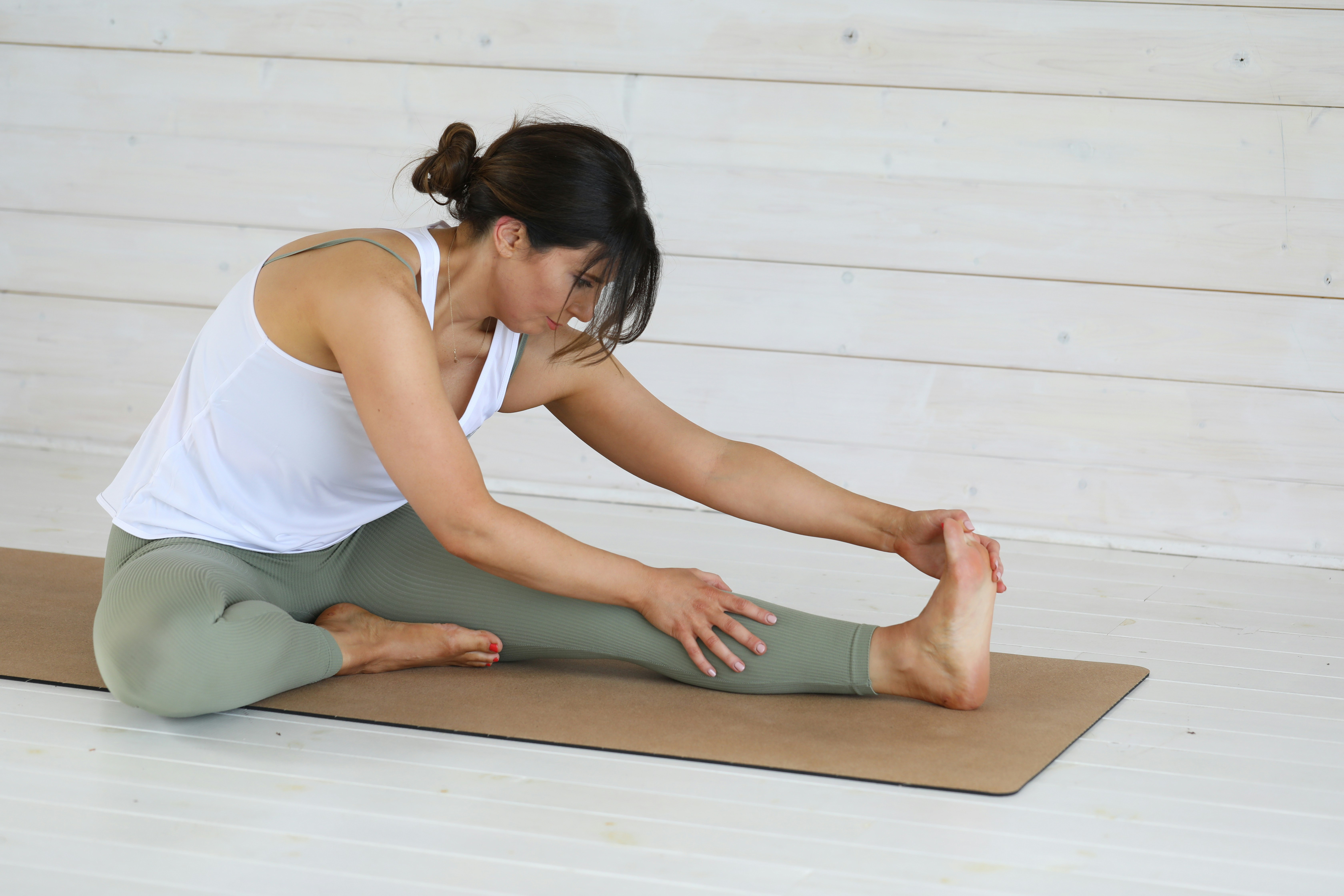
Check the weather forecast before setting out. On particularly hot days, an indoor session in a cooler, well-ventilated space may be more appropriate. A shorter walk, gentle mobility session or reduced-intensity workout can also maintain the habit of being active without placing the same demand on the body.
UKHSA also advises that children should not take part in strenuous physical activity on very hot days.
Choose the coolest time and place
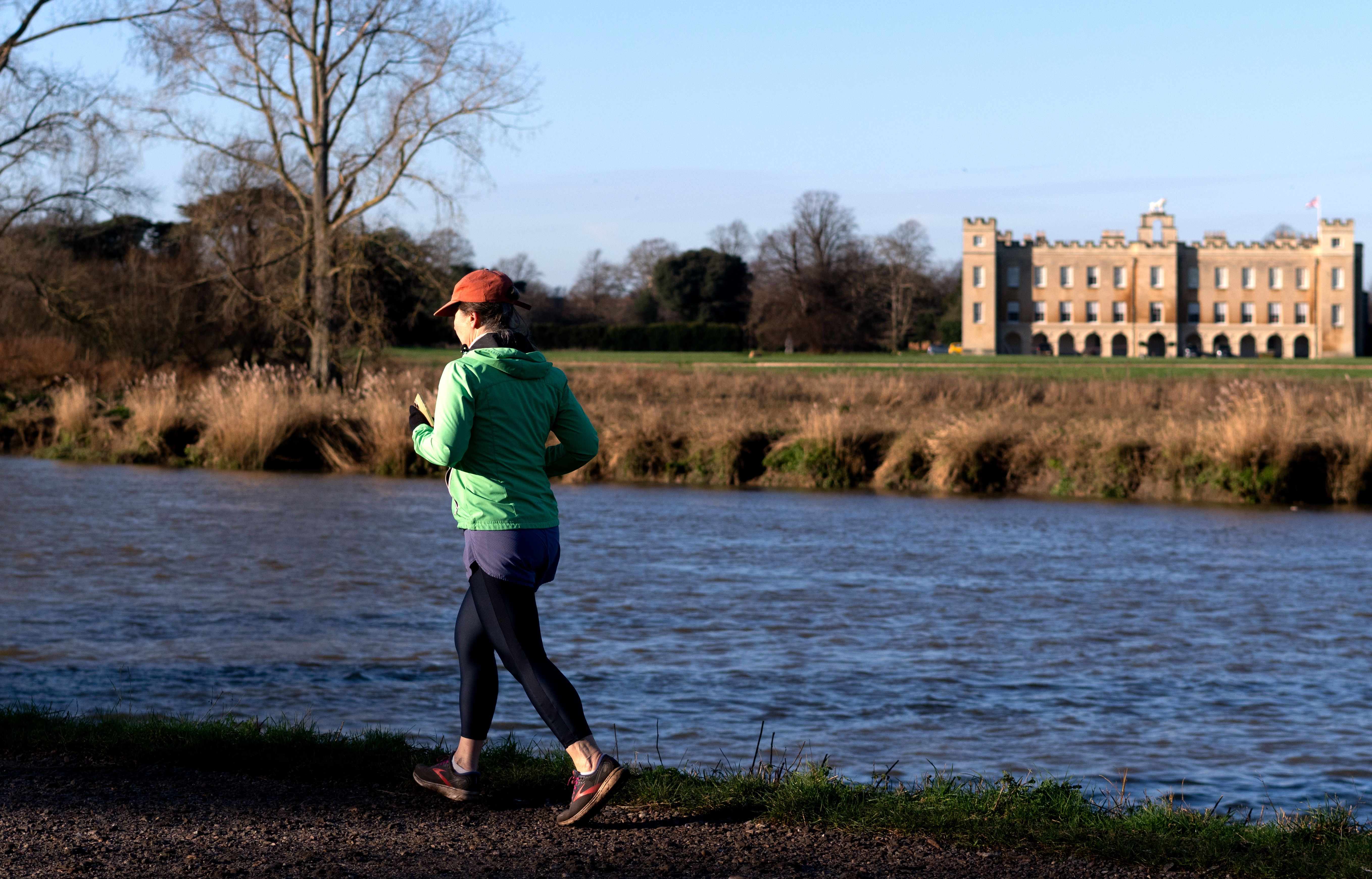
Late morning and the afternoon are generally the least suitable times for outdoor exercise during a hot spell. UKHSA recommends avoiding direct sunlight where possible, particularly between 11am and 3pm, when ultraviolet levels are usually highest.
For outdoor activity:
- Choose a shaded route rather than an exposed one.
- Reduce the distance, duration or pace.
- Take more rest breaks than usual.
- Wear loose, lightweight and light-coloured clothing.
- Use a wide-brimmed hat and sunscreen with at least SPF 30 and four- or five-star UVA protection.
- Carry water, even for a familiar route.
Exercise should not be treated as a test of tolerance. If the conditions feel noticeably harder than usual, lowering the intensity or stopping is a sensible safety decision.

Hydration before, during and after exercise
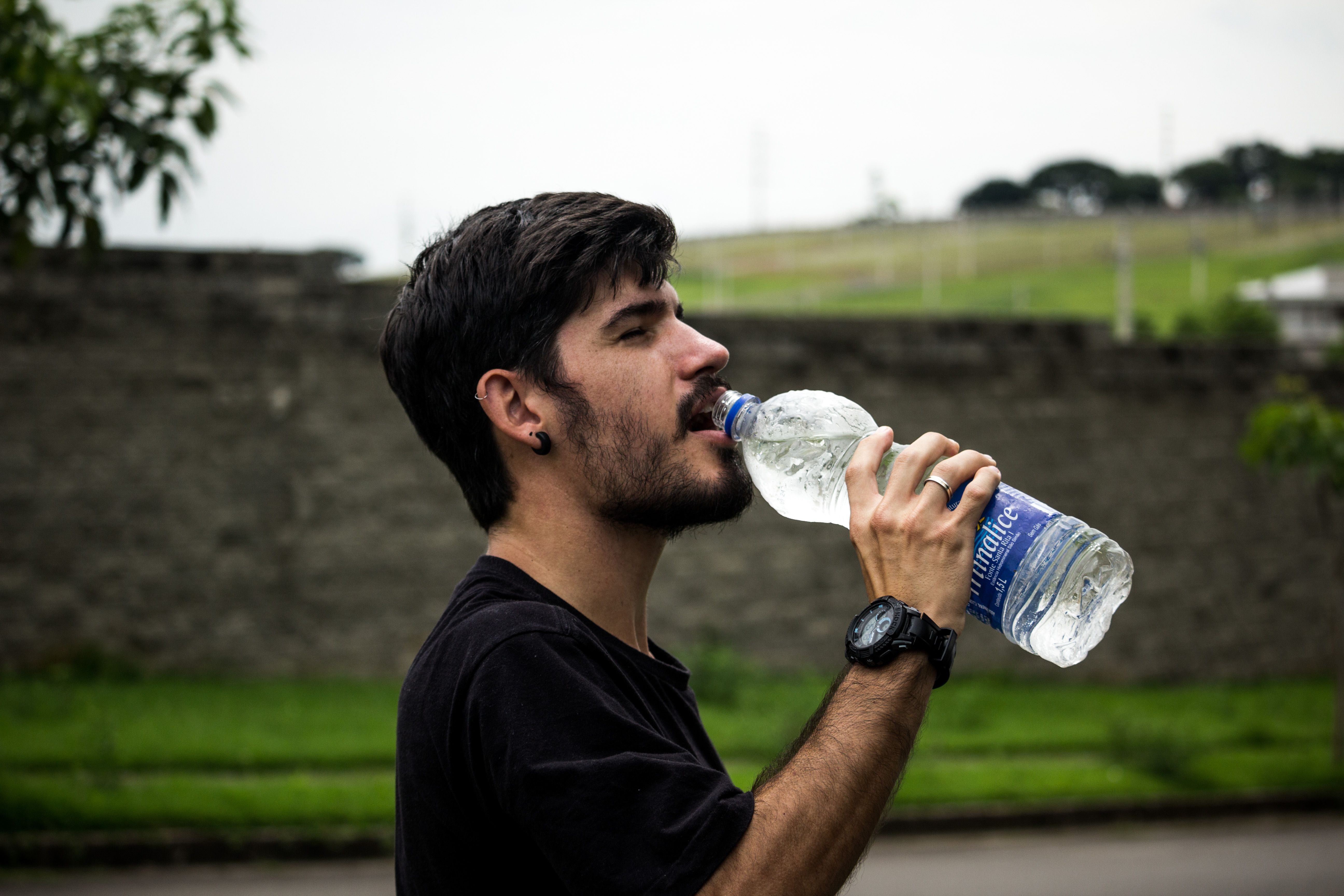
Drinking regularly throughout the day is more effective than trying to replace a large fluid deficit immediately before a workout. UKHSA advises drinking enough for urine to remain a pale straw colour, while NHS dehydration guidance recommends taking in more fluid when sweating because of exercise or hot weather.
Water is a practical choice for most everyday activity. Take a refillable bottle when exercising outdoors and drink regularly rather than relying only on thirst. Alcohol can increase the risk of dehydration and is best limited during periods of hot weather.
After exercise, continue drinking gradually and have a normal meal or snack. People who have been sweating heavily, exercising for a prolonged period or experiencing vomiting may need to replace salts as well as fluid. The NHS notes that an isotonic drink or oral rehydration solution can be used when helping someone with heat exhaustion.
For more practical guidance, read Healthy Living UK’s article on hydration, concentration and physical performance.
Warning signs that mean you should stop
Heat exhaustion can develop during hot weather or exercise. NHS-listed symptoms include:
- Tiredness, weakness or irritability
- Dizziness or headache
- Nausea or vomiting
- Excessive sweating
- Pale or clammy skin
- Muscle cramps
- A high temperature
- Intense thirst
Stop exercising immediately if these symptoms appear. Move to a cool place, remove unnecessary clothing, drink water and cool the skin with cool water, a fan or wrapped cold packs placed around the neck or under the arms. The person should begin to feel better within 30 minutes. Contact NHS 111 if the symptoms are difficult to manage or advice is needed.
When heatstroke becomes an emergency
Heatstroke requires immediate medical help. Call 999 if someone remains unwell after 30 minutes of cooling and drinking fluids, or develops warning signs such as:
- A very high temperature
- Hot skin without sweating
- Fast breathing or a rapid heartbeat
- Confusion or poor coordination
- A seizure
- Loss of consciousness
Stay with the person and continue cooling them while waiting for help.
Who should take extra care?
Anyone can become unwell in hot weather, but the risk is higher for older adults, young children and people with long-term conditions such as diabetes or heart problems. NHS hot-weather advice also identifies people taking multiple medicines, those who work outdoors and runners, cyclists and walkers who spend extended periods in the heat as potentially more vulnerable.
Anyone with a health condition that affects exercise or temperature regulation should seek individual medical advice before training in unusually hot conditions.
The practical rule
Plan around the weather rather than trying to overcome it. Move exercise to a cooler time, lower the intensity, drink regularly and stop at the first signs of heat-related illness. Missing or modifying one workout will not undo progress, while early action can prevent heat exhaustion from developing into a medical emergency.
This article is for general information and does not replace individual medical advice.






.svg)