







September can feel like a running start. School bags need packing, work carries on as usual, and someone inevitably discovers their PE kit is missing just before it is time to leave.
For children, returning to school can bring excitement alongside worries about friendships, teachers and unfamiliar expectations. Parents and carers have their own adjustments, from arranging childcare to covering the cost of uniforms.
Whether term is about to begin or your family is already several weeks in, there is still time to make everyday life more manageable. Start with the parts of the day that feel hardest, and make changes you can realistically maintain.
Find out what is worrying your child
“Are you looking forward to school?” can be difficult to answer when a child has mixed feelings. Try something more specific: “Is there any part of tomorrow you’re unsure about?” A quiet conversation while walking or drawing may feel easier than sitting down for a formal chat.
Listen before offering solutions. Acknowledge that joining a new class or finding someone to sit with at lunch can feel daunting. Then work out one practical next step together, such as checking where to go on arrival or identifying a trusted adult at school.
Some children struggle to explain what is wrong. YoungMinds’ guide to school anxiety suggests exploring specific worries and working with the school to address them. Concerns about bullying, learning difficulties or an overwhelming environment deserve attention.
Bring back a predictable bedtime
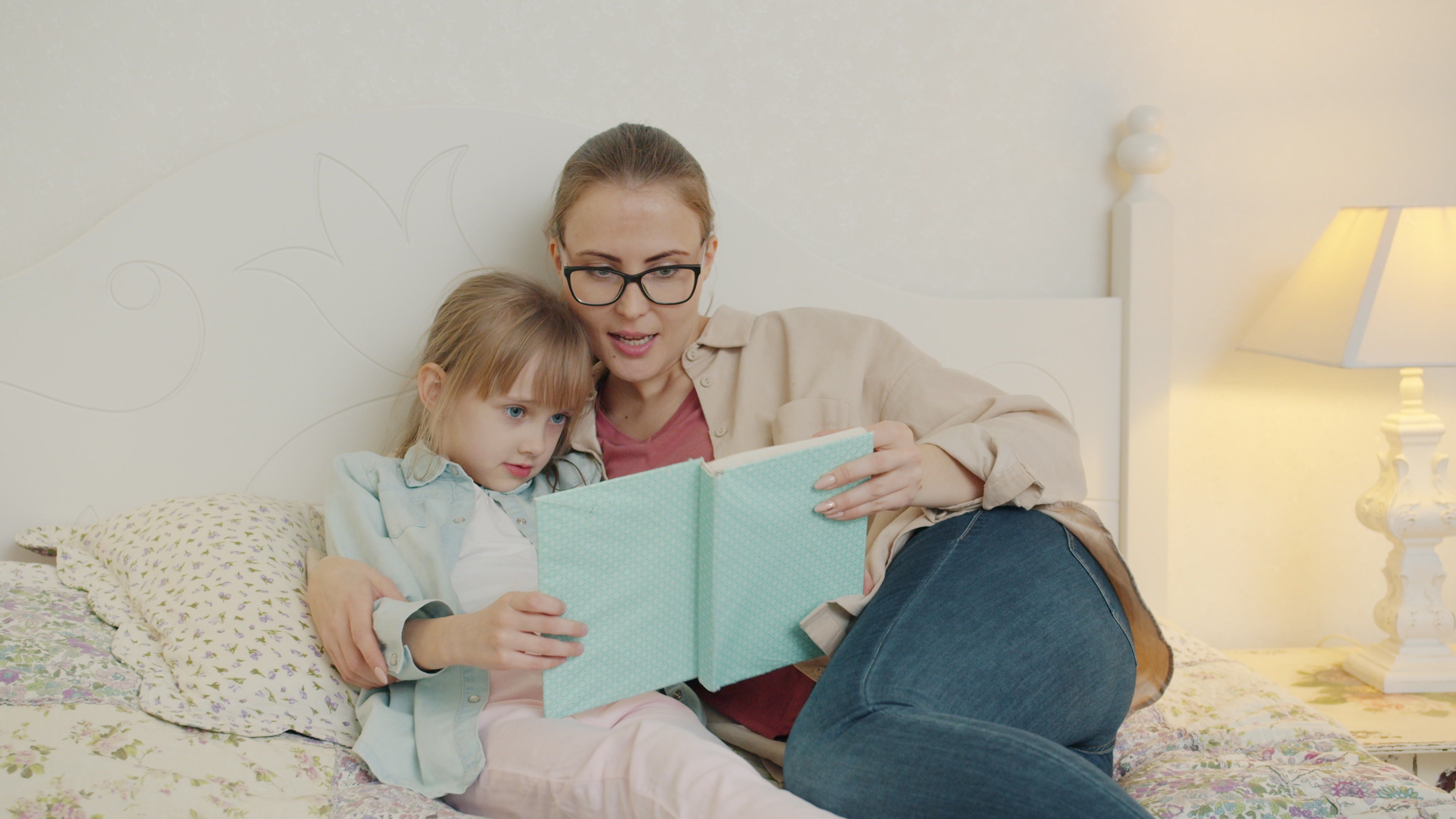
Late holiday evenings can make school mornings difficult. If bedtime has drifted, gradually bring the evening routine earlier, allowing time for your child to adjust. If term has already started, begin with a manageable change tonight.
Keep the sequence familiar: washing, brushing teeth, getting into pyjamas and reading quietly. A predictable routine can make settling easier. NHS guidance on children’s sleep routines recommends dimming lights and switching off entertainment screens an hour before bed.
With teenagers, agree a realistic evening plan together, including when homework finishes and phones are put away. Leave room to discuss what makes sleep difficult, rather than turning bedtime into another daily argument.
Make mornings easier the night before
Choose a few evening jobs that remove the biggest obstacles to getting out of the door. Check the next day’s timetable, put uniforms somewhere accessible and leave bags and shoes in a consistent place. If preparing packed lunches ahead, refrigerate anything perishable.
Give children tasks suited to their age. A younger child might put their book bag by the door; an older child can check their own equipment. A short picture checklist may help children who find repeated verbal instructions difficult to follow.
Keep one shared calendar for clubs, appointments and collection arrangements. Where care is shared, make clear who is responsible for each task so that remembering everything does not fall to one person.
Leave breathing space after school
A full school day can be tiring, even when it has gone well. Try offering a snack and some quiet time before asking lots of questions or starting homework.
Keep some afternoons free from organised activities. When considering clubs, take account of your child’s interest, travel time, costs and how much energy everyone has left. Review commitments once the new timetable has settled.
Downtime can be simple: drawing, playing outside, listening to music or spending time together. There is no need to organise every hour.

Make the routine workable for parents too
Family routines need to account for adults’ time and energy. Choose straightforward meals for busy evenings, share practical jobs where possible and ask for specific help when it is available.
If school costs are adding pressure, ask the school about second-hand uniform schemes or support it can help you access. You do not need to wait until the situation becomes unmanageable.
Protect a little time for something that helps you unwind, whether that is a conversation with a friend, reading or movement you enjoy. Our guide to low-impact indoor workouts offers ideas for fitting activity around rainy days.
Know when to ask for extra support
Some nerves ease as school becomes familiar. Persistent distress needs closer attention. The NHS advises seeking help for childhood anxiety when it is getting worse, self-help is not working, or it is affecting school, family life or friendships.
Speak to your child’s teacher or pastoral team about patterns you have noticed, and contact your GP when concerns persist or interfere with everyday life. Physical symptoms, including recurring stomach aches, should not automatically be put down to worry.
A calmer term does not require a flawless routine. Start with one useful change, listen to how everyone is coping and adjust as you go. A difficult morning is a reason to review what might help tomorrow, not a verdict on your parenting.







.svg)