




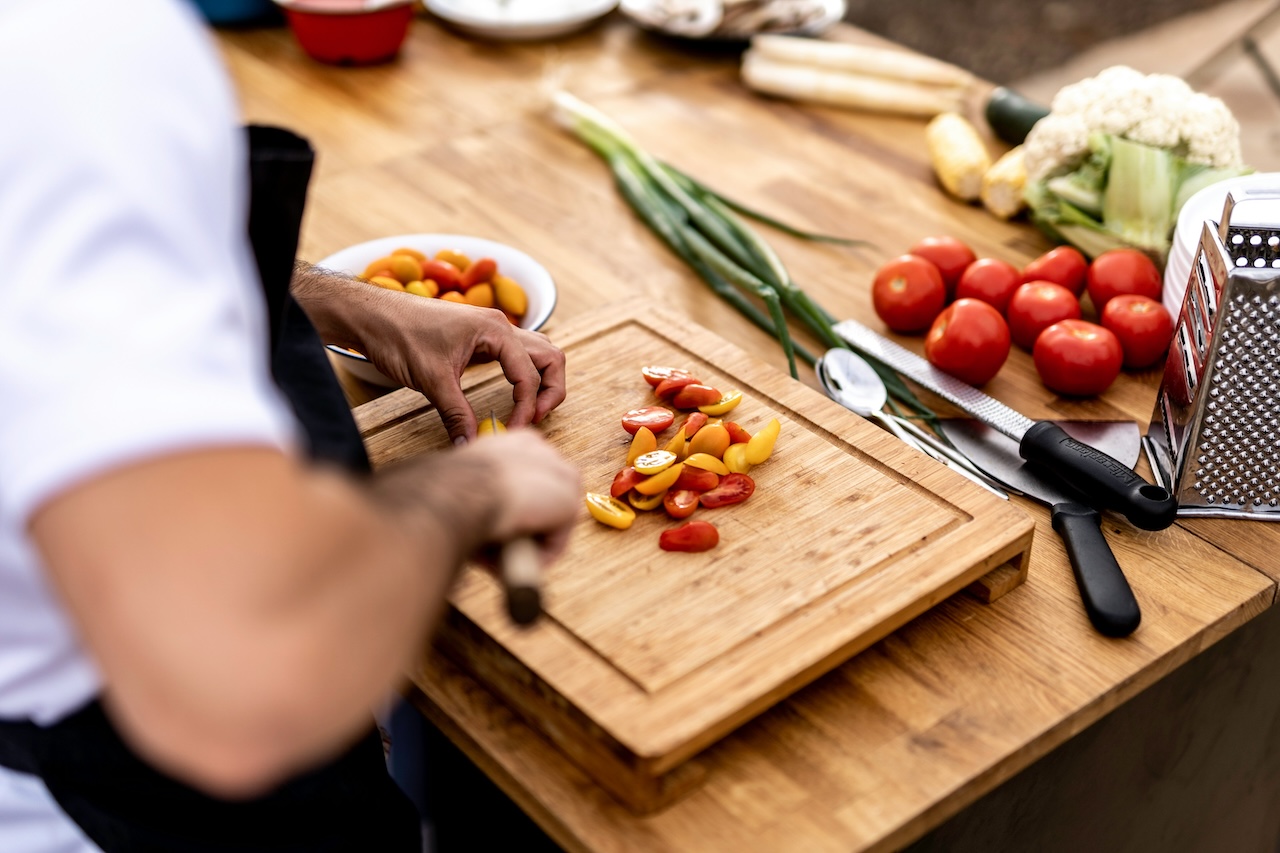



The most common reason people give for not eating well during the working week is not a lack of knowledge or intention — it is time. When a deadline is looming, the commute has run long, and the cupboard contains an unpromising mixture of ingredients with nothing obvious to make from them, the path of least resistance is a takeaway, a ready meal, or eating nothing particularly useful at all. Meal preparation — spending a defined period at the weekend cooking and organising food for the days ahead — is the most effective practical strategy for making nutritious eating the default rather than the exception.
The key is keeping the approach realistic. A two-hour session on Sunday is enough to meaningfully change the nutritional landscape of the entire week ahead. It does not require culinary ambition, elaborate recipes, or an Instagram-worthy array of uniform containers. It requires a plan, a list, and the habit of showing up to do the work before the week begins.
Why Meal Prep Works — and Why People Give It Up
Meal preparation works for two interconnected reasons. First, it eliminates the decision fatigue that typically strikes at the moments when hunger is greatest and time is shortest. When a container of nutritious food is already in the fridge, there is no deliberation — the good choice is also the convenient choice. Second, it reduces food waste and often the overall weekly food spend, since shopping with a plan results in buying exactly what is needed rather than impulse purchases that may not be used.
The reasons people abandon meal prep are equally identifiable. The most common is excessive ambition in the early stages: attempting to prepare five different lunches, three different dinners, and an assortment of snacks leads to a Sunday of exhausting complexity that becomes unsustainable by the second week. Another common failure point is boredom — eating the same meal every day for five days is uninspiring, and that uninspiring experience gets associated with the prep itself rather than with the need for more variety.
The solution to both is simplicity and modular thinking. Prepare components rather than finished dishes wherever possible, and combine them differently across the week to create variety without additional cooking. A batch of roasted vegetables can appear in a grain bowl on Monday, in a wrap on Tuesday, and alongside fish on Wednesday. The preparation is the same; the eating experience is different.
What to Prep vs. What to Cook Fresh
Effective meal preparation is not about cooking every meal in advance. Certain foods benefit enormously from being batch-prepared; others are better made fresh and take only minutes to assemble if key components are already ready.
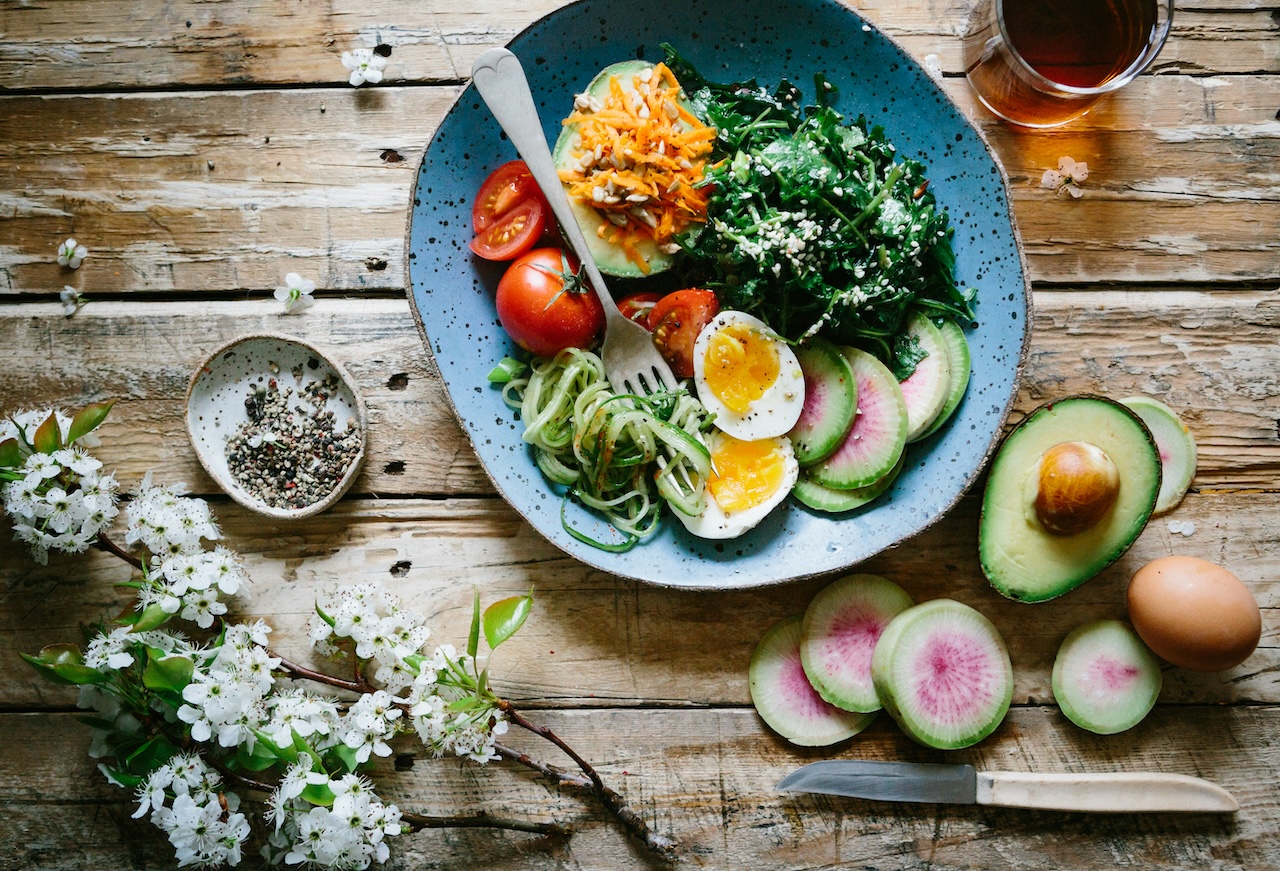
Best prepped in advance: - Cooked grains: brown rice, quinoa, and cooked lentils keep well refrigerated for three to four days and are the backbone of quick, nutritious lunches and dinners. - Roasted vegetables: a large tray of mixed vegetables — peppers, courgette, sweet potato, broccoli, cherry tomatoes — takes thirty to forty minutes in the oven and provides a versatile base for multiple meals. - Cooked legumes: if using dried pulses rather than tinned, batch cooking lentils or chickpeas saves significant time across the week. Tinned alternatives require no prep and are an entirely valid shortcut. - Hard-boiled eggs: an excellent portable protein source that keeps in the fridge for up to a week. - Sauces and dressings: a batch of tomato sauce, a simple vinaigrette, or a tahini dressing keeps well and transforms assembled meals quickly.
Best cooked fresh (but assembled from prepped components): - Protein: fresh fish, chicken breasts, and eggs cooked to order are quick and best eaten fresh. Marinate in advance for efficiency. - Leafy salads: leaves wilt with dressing and are better dressed immediately before eating. - Anything involving toast or freshly cooked grains where texture matters.
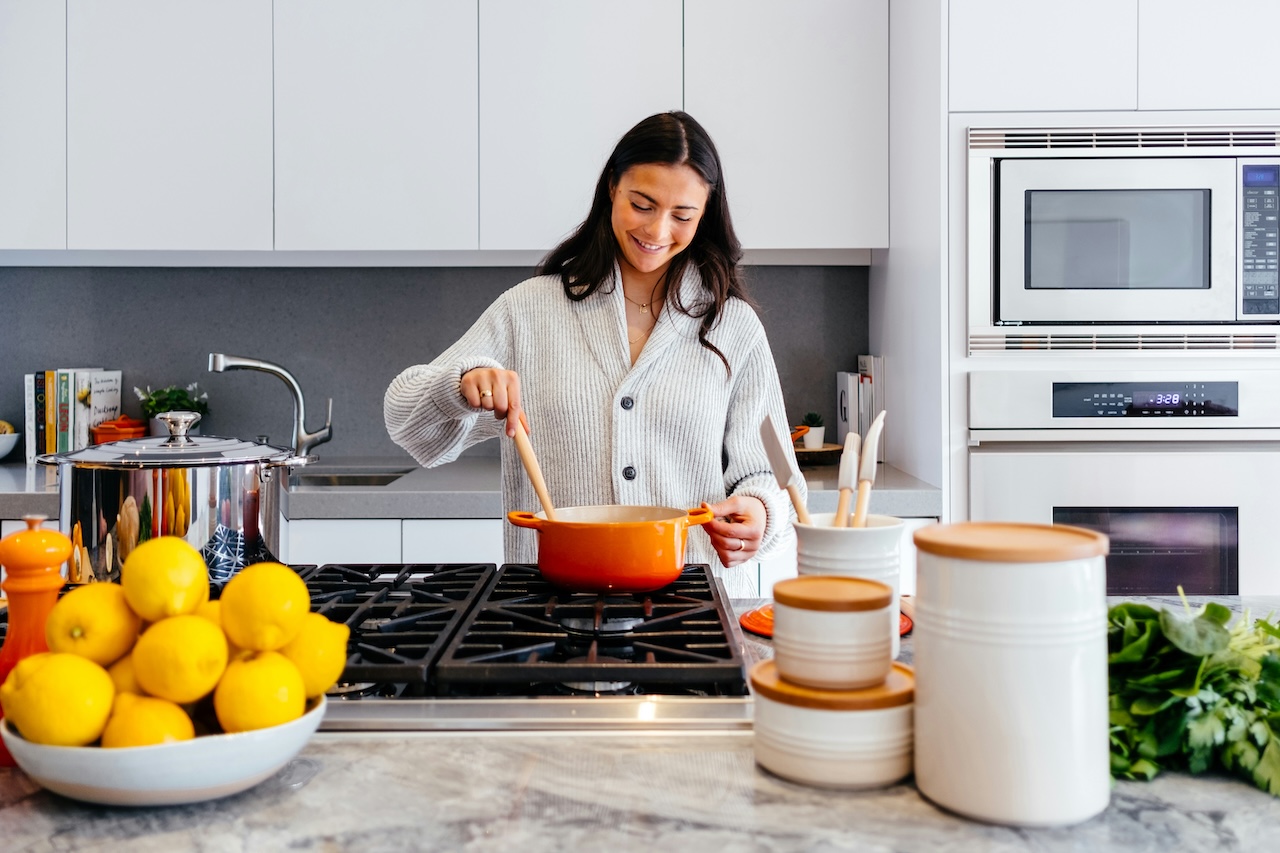
A Practical Two-Hour Weekend Prep Session, Step by Step
The following sequence makes the most efficient use of a two-hour window and is designed to set up the majority of weekday lunches and streamline evening meals.
Minutes 0–10: Plan and gather. Before switching on a single appliance, decide what the week's meals will look like and check that everything needed is to hand. Clarity before action prevents wasted effort.
Minutes 10–15: Preheat the oven to 200°C and chop the roasting vegetables. Cut a variety of vegetables into similar-sized pieces, toss with a small amount of oil, season, and put into the oven.
Minutes 15–25: Start the grains. Put brown rice, quinoa, or another wholegrain in a pan of water and bring to the boil, then reduce to simmer. These take twenty-five to thirty minutes unattended.
Minutes 25–40: While grains and vegetables are cooking, prepare any protein-based components: hard-boil eggs, marinate a batch of chicken portions for later in the week, or cook a batch of lentils if not using tinned.
Minutes 40–60: Make a batch of sauce — a simple tomato sauce takes fifteen to twenty minutes — and prepare any snacks: portion nuts into containers, wash and cut fruit and vegetables for easy grabbing.
Minutes 60–90: Vegetables and grains should be finishing. Allow to cool and portion into containers or store in covered bowls.
Minutes 90–120: Assemble any complete dishes ready for Monday — a grain bowl with roasted vegetables and egg, for example — and label containers with the day they are intended for if helpful.
Clean as you go to avoid a post-session clearing task that makes the whole process feel burdensome.
Storage, Variety and Keeping Things Interesting
Proper storage is straightforward but important. Cooked grains, roasted vegetables, and sauces keep well for three to four days in sealed containers in the refrigerator. If prepping for the full five working days, a small amount of further cooking midweek — taking fifteen to twenty minutes — can refresh components without requiring a full repeat of the Sunday session.
Variety is maintained by varying combinations and flavourings rather than cooking an entirely new set of ingredients. The same roasted vegetables become different dishes when combined with different grains, proteins, herbs, and dressings. A batch of chickpeas can appear in a lunchtime salad, in an evening curry, and in a midweek soup — requiring entirely different seasoning and preparation each time.
Eating well through a busy week is more a logistics problem than a culinary one. The NHS guidance on eating well throughout the week and the British Nutrition Foundation's practical tips for healthy eating both offer further reading on building consistent, balanced eating habits. The goal of a two-hour Sunday session is not perfection — it is making the right choice easier than the wrong one, five days out of seven. Give the system two to three weeks before judging its effectiveness. Like most habits, meal preparation becomes faster and less effortful once the decisions become familiar and the process becomes automatic. Many people who commit to it for a month report that returning to an unplanned week feels noticeably harder and more expensive.




.svg)