








Dietary fibre is one of the most thoroughly researched and well-supported nutrients in the science of human health. It is associated with reduced risk of bowel cancer, improved gut microbiome diversity, better blood sugar regulation, lower cholesterol levels, healthier digestive function, and greater feelings of satiety after meals. Yet the average UK adult consumes around eighteen grams of fibre per day — barely more than half the recommended thirty grams. This is not a minor shortfall. It is a meaningful gap that, for most people, has tangible effects on how the gut functions and how they feel day to day.
The good news is that increasing fibre intake rarely requires a dramatic overhaul of eating habits. In most cases, a series of targeted, practical adjustments to familiar foods and meals is sufficient to close the gap substantially.
Why Fibre Is One of the Most Underrated Nutrients in the UK Diet
Fibre is the collective term for the indigestible parts of plant foods — the structural material in cell walls, husks, seeds, and skins that the human digestive system cannot break down and absorb. There are two principal types: soluble fibre, which dissolves in water and forms a gel-like substance in the gut, and insoluble fibre, which passes through the digestive system largely intact, adding bulk to stools and supporting regular bowel movements.
Both types provide distinct benefits. Soluble fibre — found in oats, apples, pears, pulses, and barley — helps slow the absorption of glucose into the bloodstream, supporting more stable blood sugar levels. It also binds to cholesterol-rich bile acids and helps remove them from the body, contributing to healthier cholesterol profiles. Insoluble fibre — found in wholegrains, nuts, seeds, and the skins of vegetables and fruit — supports bowel regularity and the health of the gut wall itself.
Beyond these individual benefits, fibre feeds the diverse communities of bacteria in the large intestine — the gut microbiome — which play an extensive role in immune function, inflammation regulation, and even mental health. A diet consistently high in fibre tends to support a more diverse and healthier microbiome, and the evidence linking gut health to broader wellbeing continues to strengthen.
Despite all of this, fibre rarely receives the attention that protein or vitamins attract in public health messaging. The NHS guidance on dietary fibre provides a clear and practical starting point for anyone looking to understand what is recommended and why.
The Best Everyday Sources of Dietary Fibre
Fibre is present across a wide range of foods, which is one of the reasons that increasing intake does not require specialist shopping or expensive dietary products.
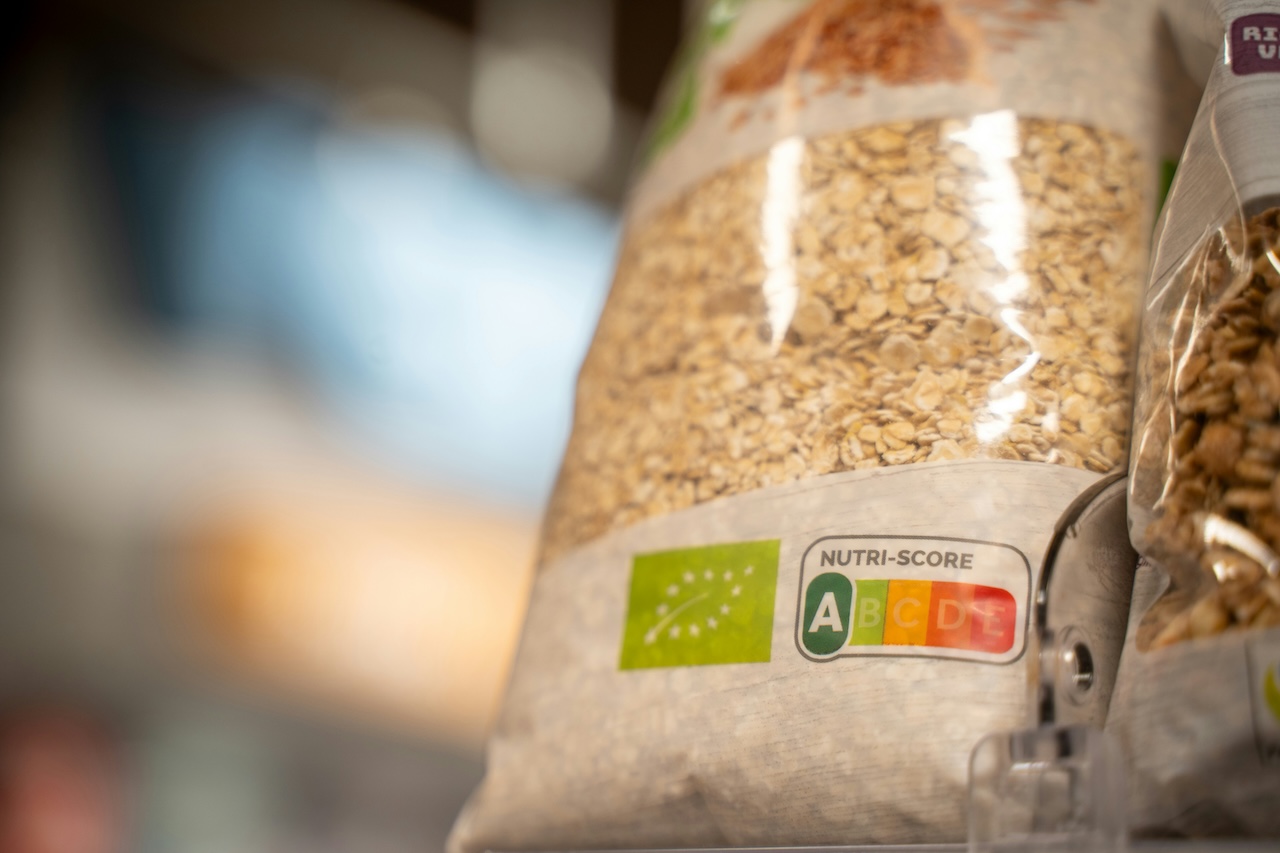
Wholegrains are among the most effective and versatile sources. A single bowl of porridge made with rolled oats provides around four grams of fibre. Wholemeal bread (two slices) provides approximately four to five grams. Switching from white to wholemeal versions of bread, pasta, and rice is the single most impactful habitual change most people can make.
Pulses — lentils, chickpeas, kidney beans, cannellini beans, and similar legumes — are exceptional sources of fibre. A 200g portion of cooked lentils provides approximately eight grams. They are also highly versatile: suitable as a base for soups and stews, as a salad protein, or blended into dips and sauces.
Vegetables contribute meaningful fibre, particularly in larger portions or when eaten with their skins. Broccoli, carrots, sweet potatoes, peas, and leafy greens all contribute, and variety across vegetable types ensures a mix of both soluble and insoluble fibre.
Fruit provides fibre alongside vitamins and natural sugars. Berries are particularly rich in fibre relative to their caloric content. Apples and pears eaten with the skin, bananas, and dried fruit such as prunes and apricots all contribute usefully — though dried fruit is also high in sugar and best consumed in small portions.
Nuts and seeds are a concentrated source worth adding to meals or snacks. A tablespoon of chia seeds adds approximately five grams of fibre. Flaxseed — linseed — is similarly effective and can be added to porridge, yoghurt, or baked goods. A small handful of almonds provides around three grams.
The British Nutrition Foundation offers a detailed and evidence-based breakdown of fibre sources and their relative contributions to daily intake.
How to Add Fibre Gradually Without Digestive Discomfort
One important caveat for anyone significantly increasing fibre intake is that doing so too quickly can cause digestive discomfort — bloating, gas, and loose stools are common complaints when fibre intake rises sharply over a short period. This is a temporary response as the gut bacteria adjust to a changed diet, but it can be enough to put people off the project altogether.
The solution is gradual introduction. Adding one or two new fibre sources per week, rather than attempting a complete dietary transformation in a single day, allows the digestive system to adapt without significant discomfort. Starting with soluble fibre — oats, apples, pulses — tends to be gentler than beginning with large quantities of insoluble fibre such as bran.
Hydration matters significantly when increasing fibre intake. Fibre absorbs water in the gut, and insufficient fluid intake can compound rather than relieve digestive symptoms. Aiming for six to eight glasses of water or other low-sugar fluids daily, alongside higher fibre intake, supports comfortable digestion.
Individuals with existing digestive conditions — including irritable bowel syndrome — should approach fibre increases thoughtfully and ideally with guidance from a GP or dietitian, as different types of fibre affect the gut differently and some may exacerbate symptoms.
A Sample Day of Eating That Hits 30g
Reaching thirty grams of fibre in a day is achievable with familiar ingredients and does not require eating large volumes of food.
Breakfast: Porridge made with 80g rolled oats, topped with a tablespoon of chia seeds and a handful of blueberries — approximately 9g fibre.
Mid-morning snack: A medium apple (eaten with skin) and a small handful of almonds — approximately 4g fibre.
Lunch: Lentil and vegetable soup with a slice of wholemeal bread — approximately 10g fibre.
Afternoon snack: A tablespoon of hummus with carrot sticks — approximately 3g fibre.
Dinner: Wholemeal pasta with a tomato sauce containing kidney beans, onion, and a large portion of mixed vegetables — approximately 7g fibre.
Total: approximately 33g. This sample day uses widely available, affordable ingredients and involves no specialist products. The fibre is distributed across the day, which supports digestive comfort and consistent satiety.
Adjustments to suit personal preferences, budgets, and schedules are straightforward to make. The core principle — choosing wholegrain versions of staple foods, including pulses regularly, and ensuring at least five portions of fruit and vegetables daily — takes you most of the way there. If you find the thirty-gram target daunting initially, a more manageable first step is simply to swap one refined grain product for a wholegrain alternative each day and to add one extra portion of vegetables or pulses to your evening meal. These two changes alone will move most people meaningfully closer to the target without requiring a significant overhaul of established eating habits.







.svg)