







As cooler mornings arrive and everyday routines pick up again, comforting meals start to replace summer salads. September offers an opportunity to make those meals both satisfying and nourishing, whether you are preparing packed lunches, cooking for a family or filling the freezer for busy weeks.
There is no single food that can prevent colds or “boost” your immune system beyond its normal function. However, getting enough nutrients through a varied diet helps it work as it should. As Mayo Clinic Health System explains, good nutrition supports immune function by helping prevent deficiencies.
The aim is to build everyday habits that are affordable, enjoyable and easy to maintain.
Make Seasonal Vegetables Part of Everyday Meals
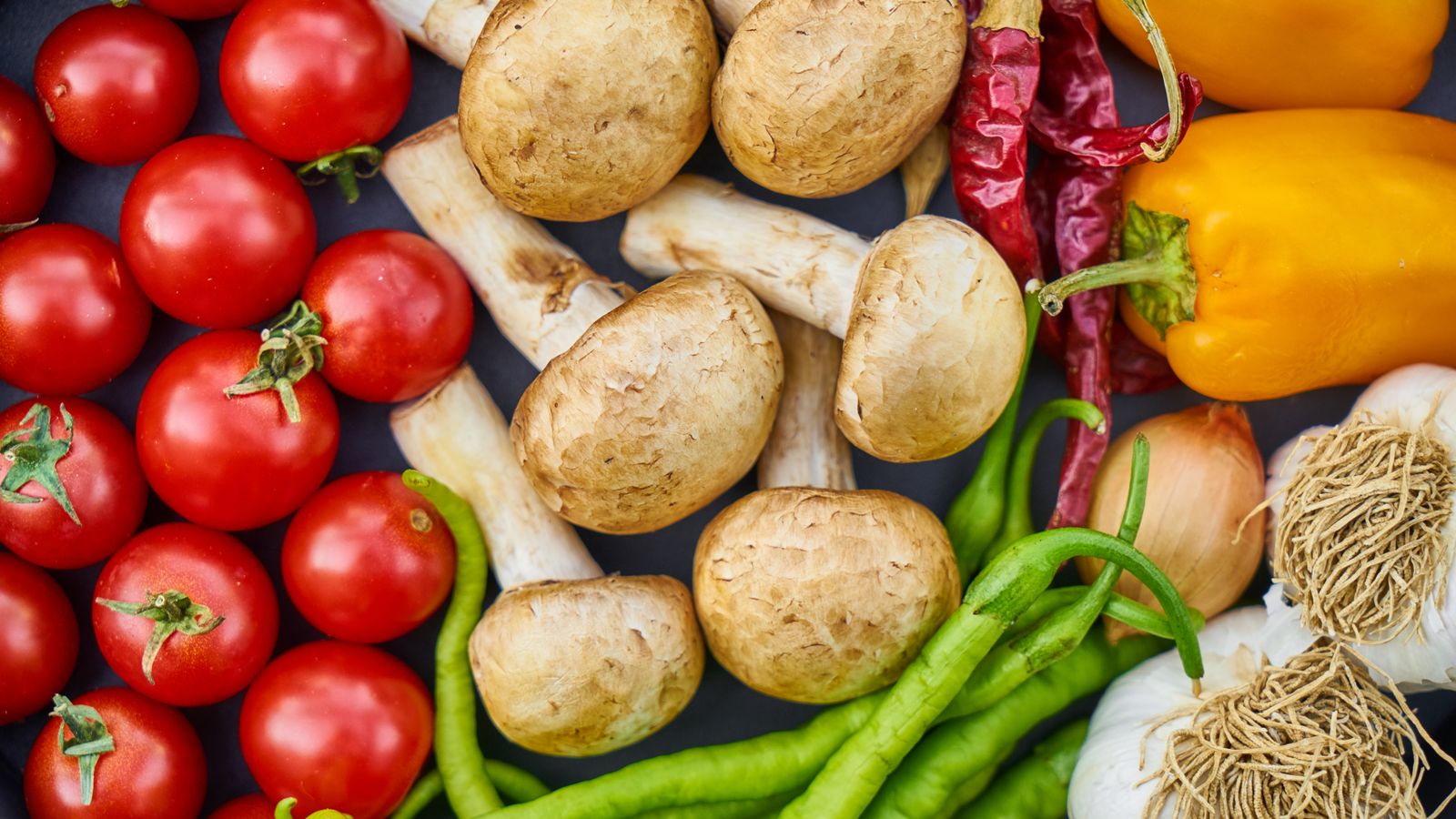
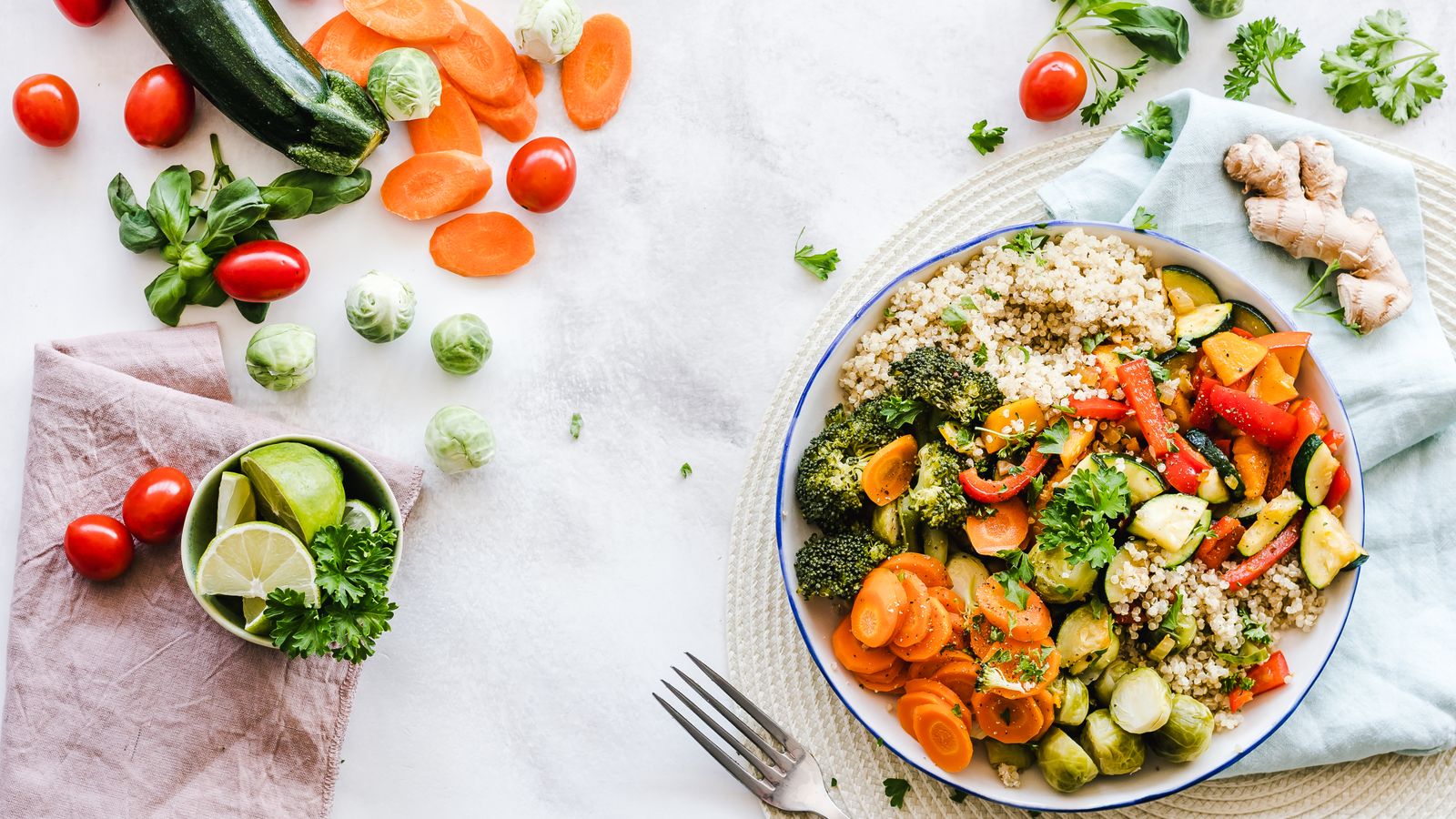
September provides plenty of opportunities to bring more vegetables into your cooking. Try carrots roasted with herbs, cabbage stirred into a warming soup, or beetroot served alongside a baked potato and beans.
Different vegetables offer different nutrients, which makes variety more useful than focusing on one fashionable ingredient. Carrots and leafy greens provide beta-carotene, which the body converts into vitamin A. This nutrient supports normal immune function and helps keep the lining of areas such as the nose healthy, according to the NHS guidance on vitamin A.
A tray of roasted vegetables is an easy starting point. Cook extra portions to add to lunches, pasta dishes or grain bowls over the following days.
Fresh produce is not essential for every meal. Frozen and tinned fruit and vegetables also count towards the recommended five portions a day, making it easier to eat well when budgets or schedules are tight. See the NHS advice on eating a balanced diet for practical guidance.
Bring Autumn Fruit into Breakfasts and Snacks
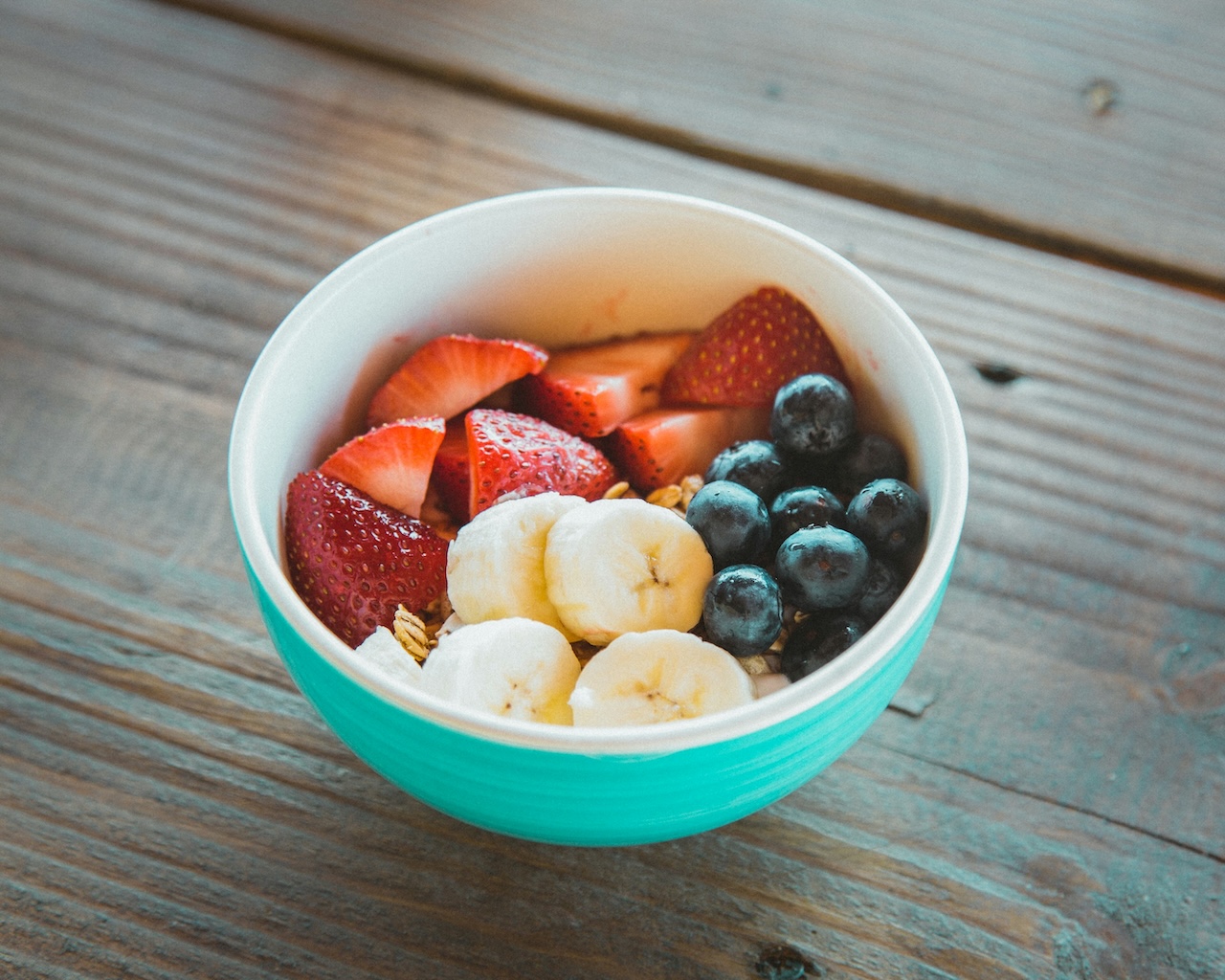
Apples, pears and blackberries work well in simple autumn meals. Stir chopped apple into porridge, serve sliced pear with natural yoghurt, or warm blackberries gently to make a topping for overnight oats.
These combinations are an easy way to include more fruit without adding another task to your day. Keep the skin on apples and pears when practical, washing them before eating.
For a comforting dessert, bake apples with cinnamon and serve with plain yoghurt. You can also freeze prepared fruit in small portions so it is ready to use when needed.
Include Protein and Healthy Fats
Vegetable soups and roasted roots become more substantial when paired with a source of protein. Add lentils to soup, chickpeas to a vegetable traybake, or tofu to a stir-fry. Eggs, beans, fish and lean meat can also help bring variety to your weekly menu.
If you eat fish, the NHS recommends at least two portions a week, including one portion of oily fish. Salmon, sardines and mackerel provide long-chain omega-3 fats.
For a straightforward autumn dinner, try baked salmon with potatoes and greens, or sardines on wholemeal toast with tomatoes. Plant-based options could include a lentil and vegetable stew or a chickpea curry served with brown rice.

Give Fibre a Regular Place on Your Plate
Supporting digestive health starts with everyday foods. Oats, wholegrain bread, beans, lentils, vegetables and fruit all contribute fibre.
The British Nutrition Foundation recommends that adults aim for 30g of fibre a day, increasing intake gradually and choosing a variety of plant foods.
Start with manageable changes: add beans to a casserole, choose wholemeal bread, or stir a spoonful of seeds into porridge. Our guide to eating more fibre without overhauling your diet offers more everyday ideas.
Fermented foods such as live yoghurt, kefir and kimchi can add variety too. However, their health effects differ, and not all fermented products contain live microorganisms. The British Nutrition Foundation’s gut health guidance explains why claims about these foods should be treated with care.
Prepare for the Vitamin D Change
September is a useful time to think ahead about vitamin D. In the UK, sunlight is generally strong enough for the body to make vitamin D until around the end of September, but this changes during autumn and winter.
The NHS advises adults and children over four to consider a daily supplement containing 10 micrograms of vitamin D during autumn and winter. Some people, including those with little sun exposure or darker skin, should consider taking it throughout the year.
Food sources include oily fish, egg yolks and some fortified products. Check packaging, as fortification varies between brands.
Build a Routine You Can Maintain
A nourishing autumn diet does not need to be complicated. Start with two or three meals you enjoy, keep useful ingredients in the cupboard, and prepare extra portions when you have time.
A breakfast of porridge and fruit, a lentil soup lunch and a vegetable-packed evening meal can make balanced eating feel achievable. Keep drinking regularly too; water, lower-fat milk and sugar-free drinks, including tea and coffee, all contribute to fluid intake under the NHS Eatwell Guide.
Choose changes that fit your appetite, budget and routine. Habits you can repeat throughout autumn will be more useful than an ambitious September overhaul that lasts only a week.





.svg)